Microbiology at the University of St. Thomas
How my microbiology course is implementing antibiotic research and discovery to solve the antibiotic resistance crisis.
Working towards a CURE
In response to the growing global crisis of antibiotic resistance, our course-based undergraduate research experience (CURE) partners with the Tiny Earth network to bioprospect for novel, microbe-derived antibiotics from environmental samples.
Microbe Profile
What are microbes?
Microbes (or microorganisms) are microscopic organisms, most too small to see without a microscope, that exist as single cells or cell colonies across nearly every environment on Earth.
Why are we using wastewater?
Because wastewater treatment facilities—specifically the Seneca Water Resource Recovery Facility in Eagan, Minnesota—rely on dense, competitive microbial communities to break down waste, bacteria in these bioreactors are prime candidates for producing secondary metabolites that inhibit competing microbes.
Our Process
-
Wastewater treatment facilities rely on dense, competitive microbial communities to break down waste, & the bacteria in these bioreactors are prime candidates for producing secondary metabolites that inhibit competing microbes.
Not all wastewater treatment plants use microbes to break down waste, but luckily a plant close to St. Paul does! Our professor took samples from a local wastewater treatment plant & brought them back to us in lab.
-
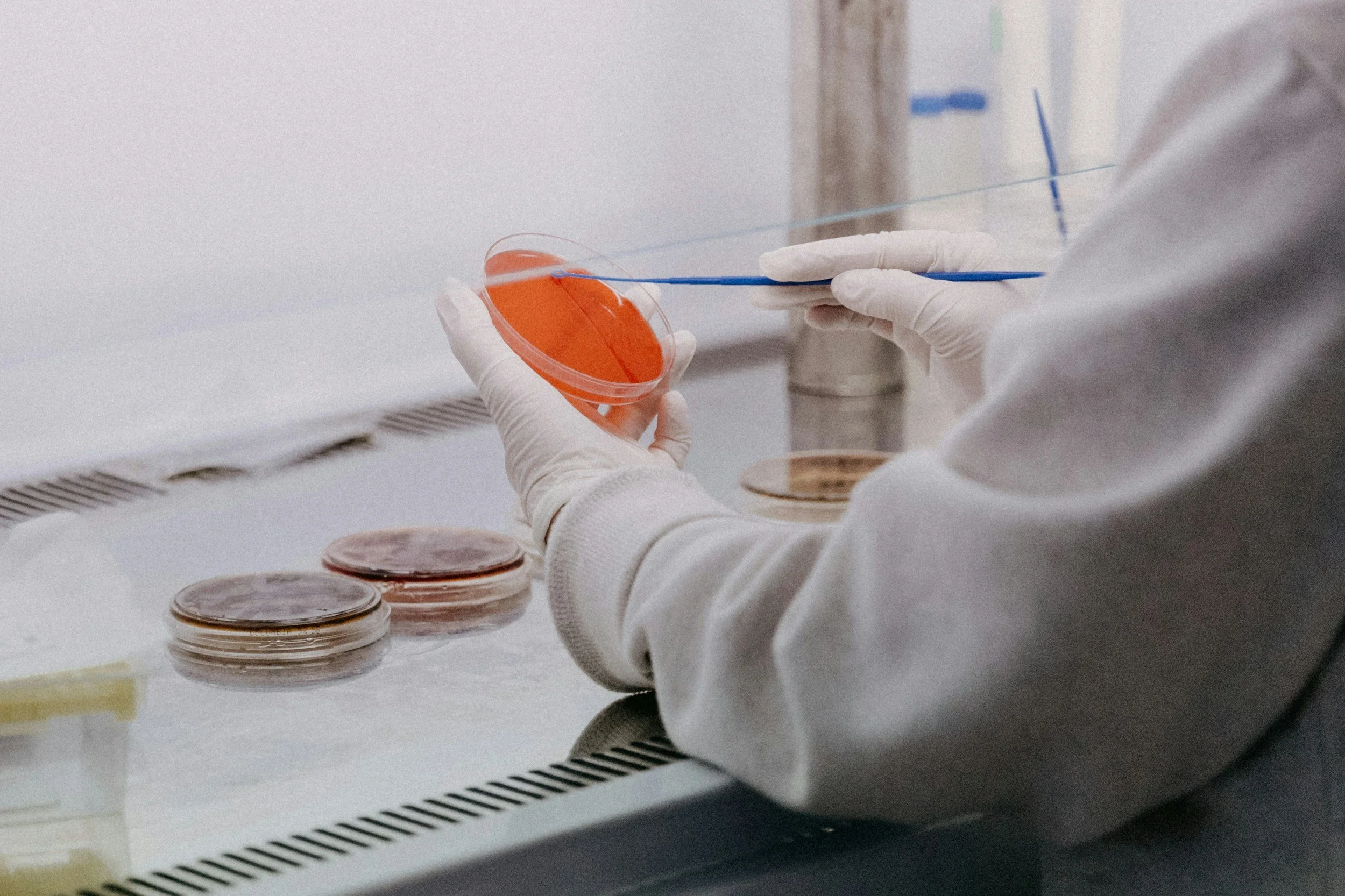
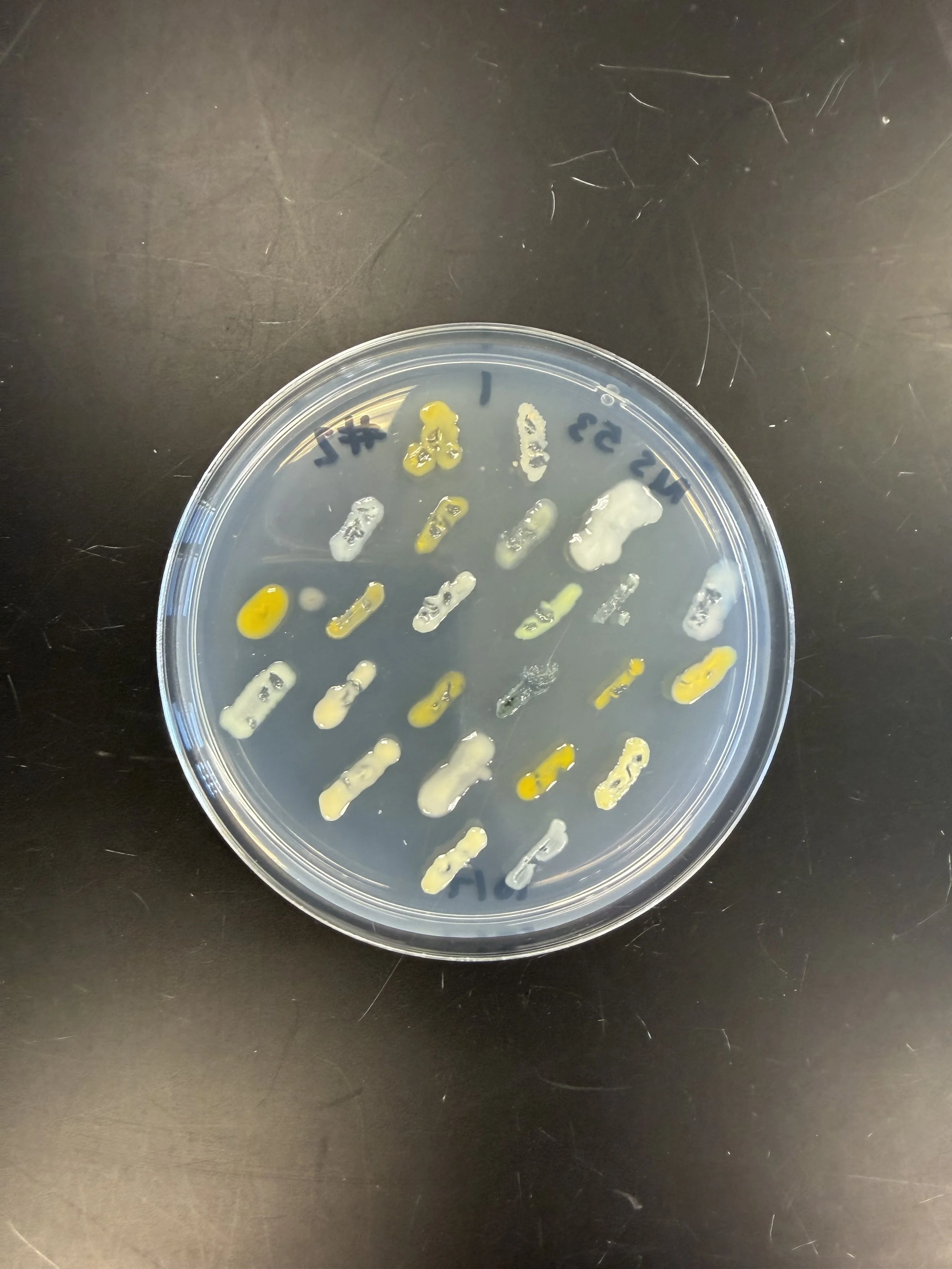
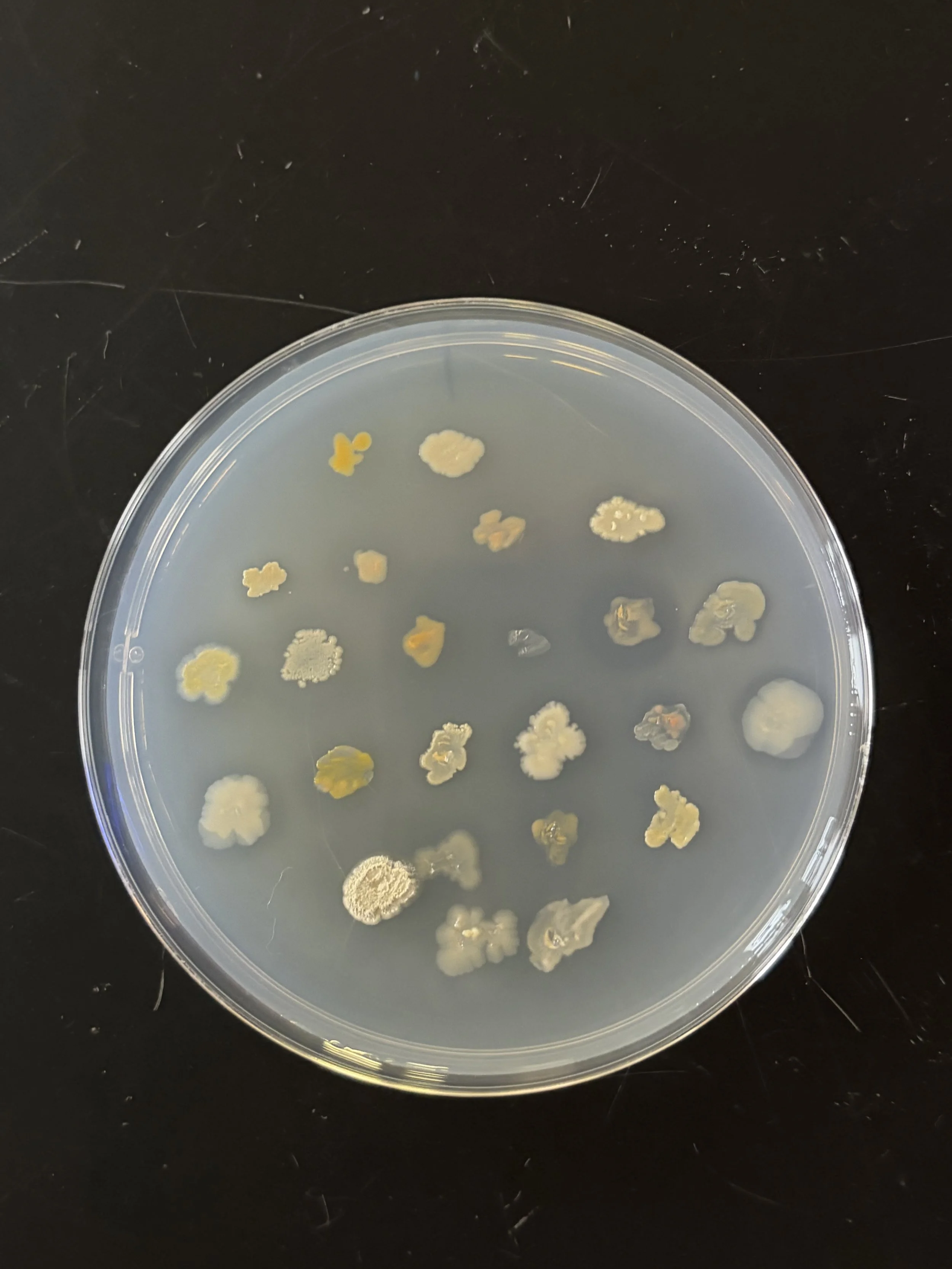
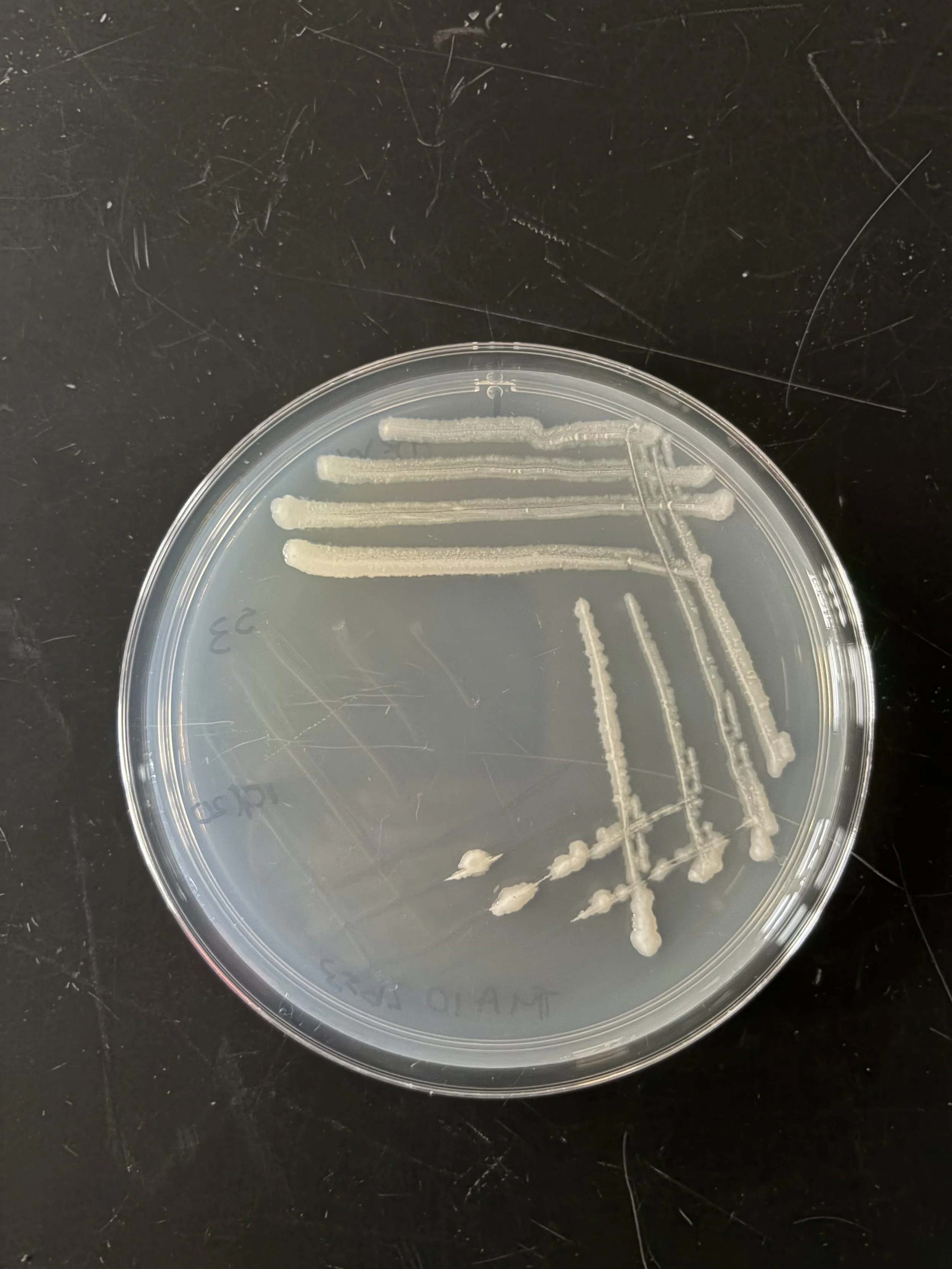
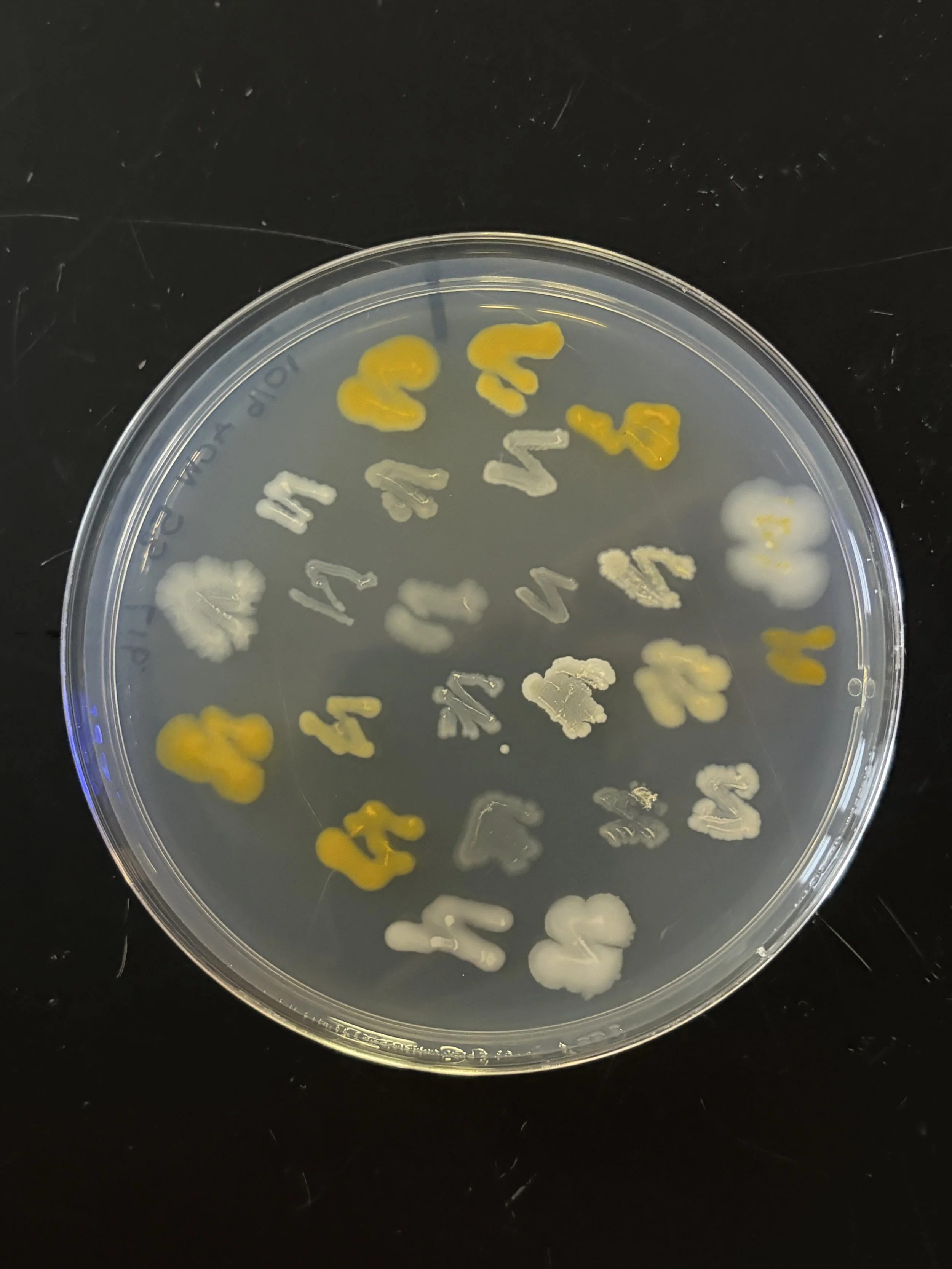
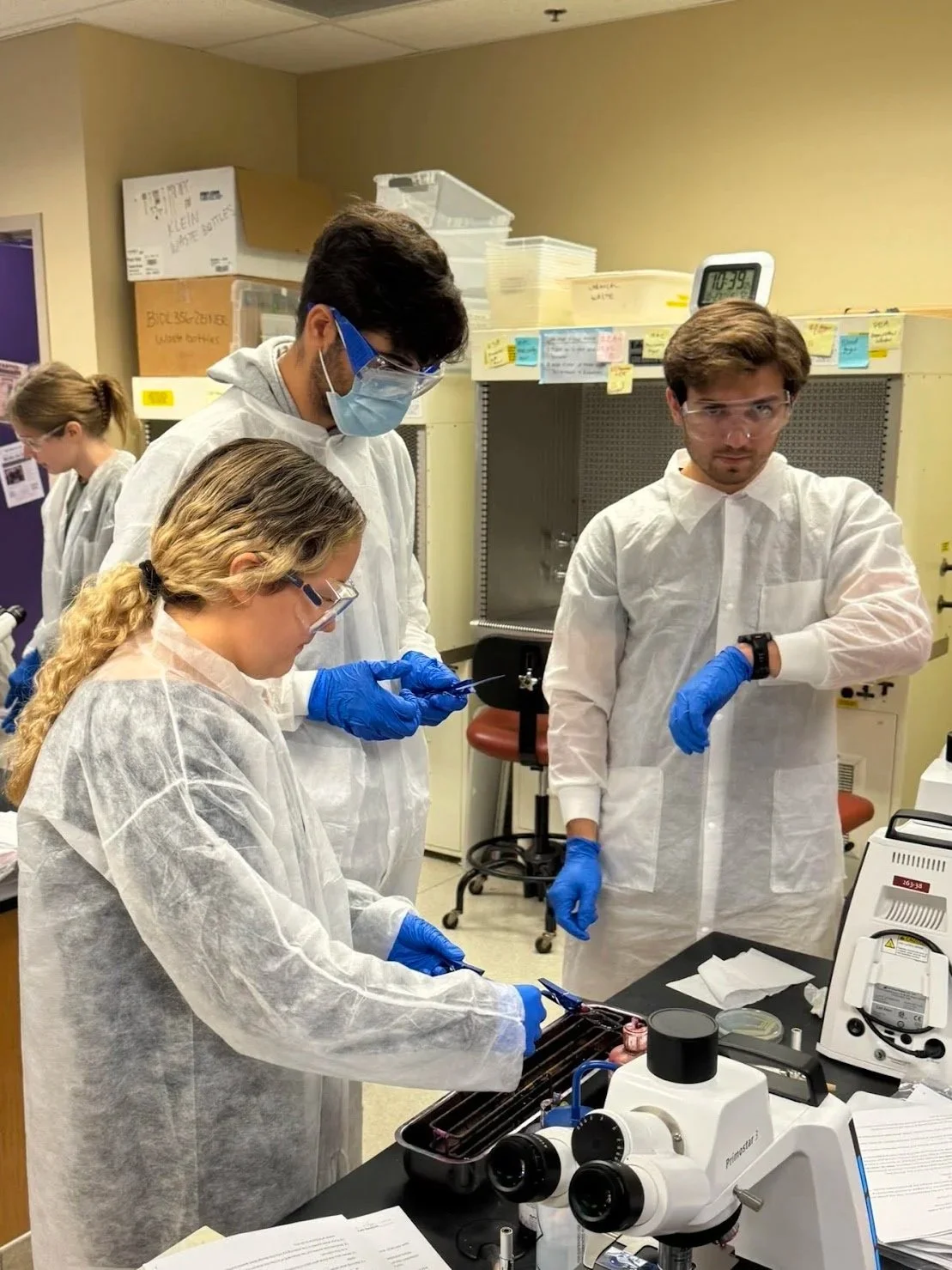
Samples from these facilities were then serially dilutions to isolate and culture individual bacterial colonies on agar plates. Next, we patch-plated these isolates and screened them against safe relatives of common pathogens (such as Staphylococcus epidermidis) to look for zones of inhibition that indicate antibiotic production.
-
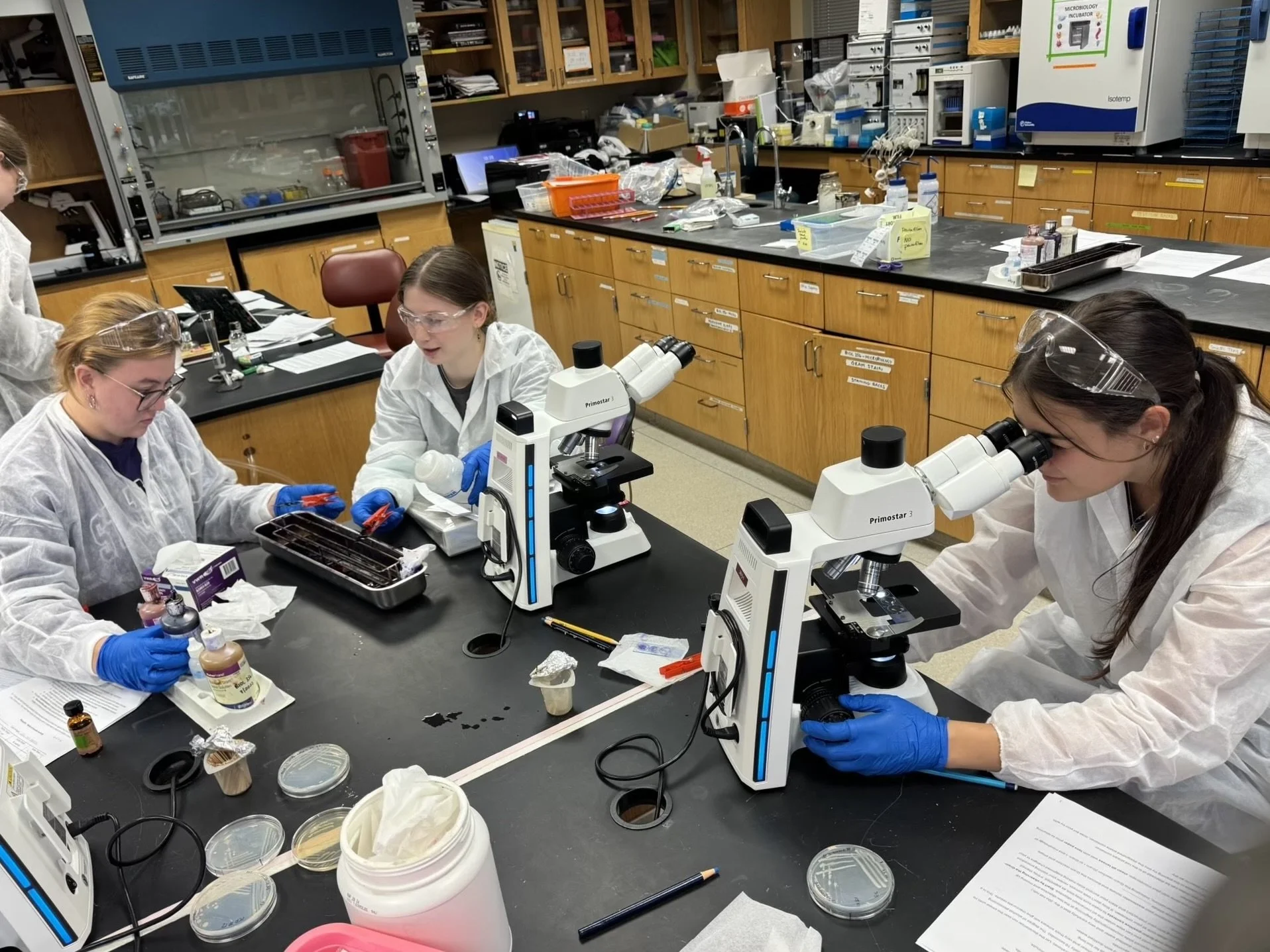
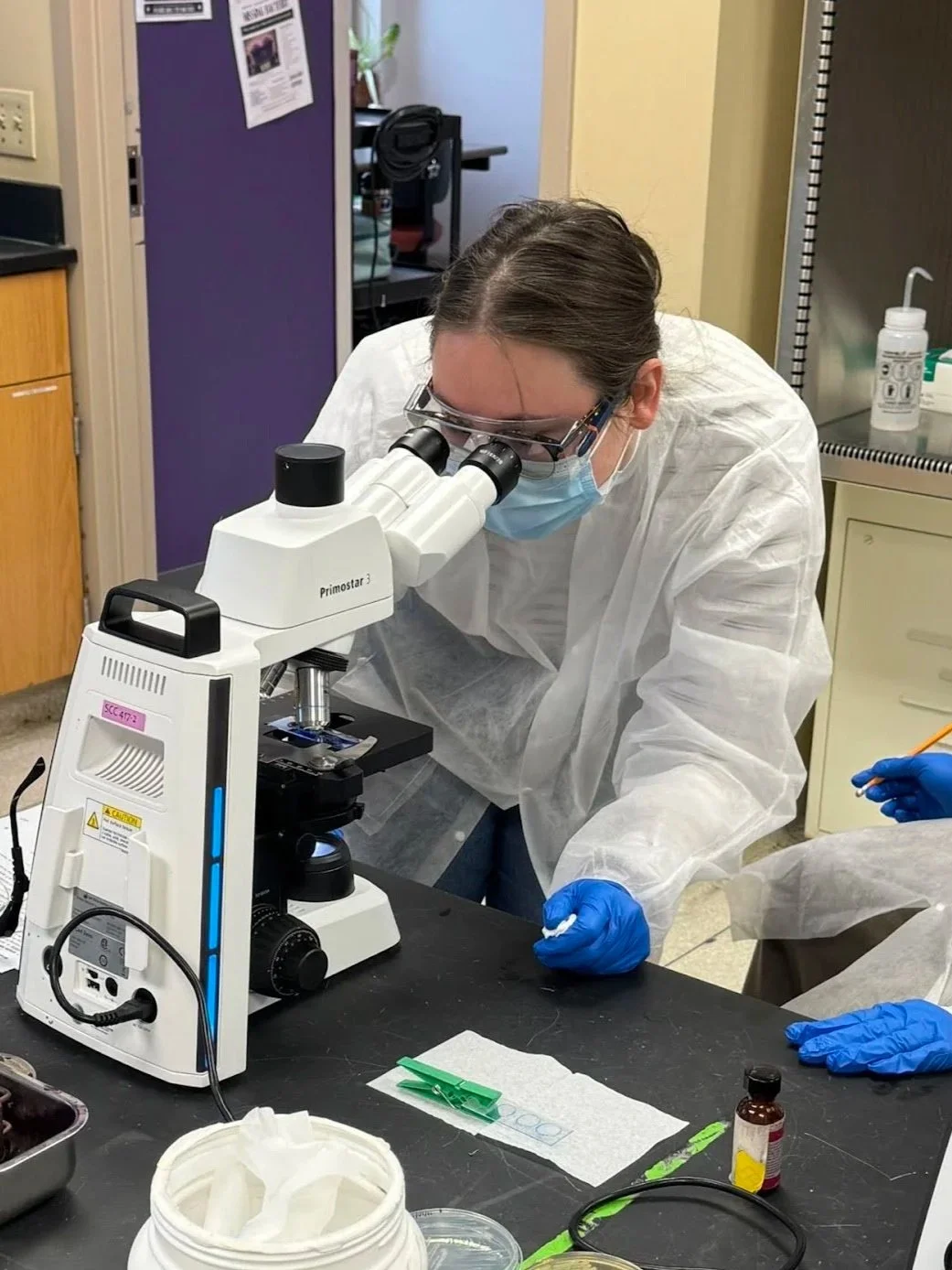
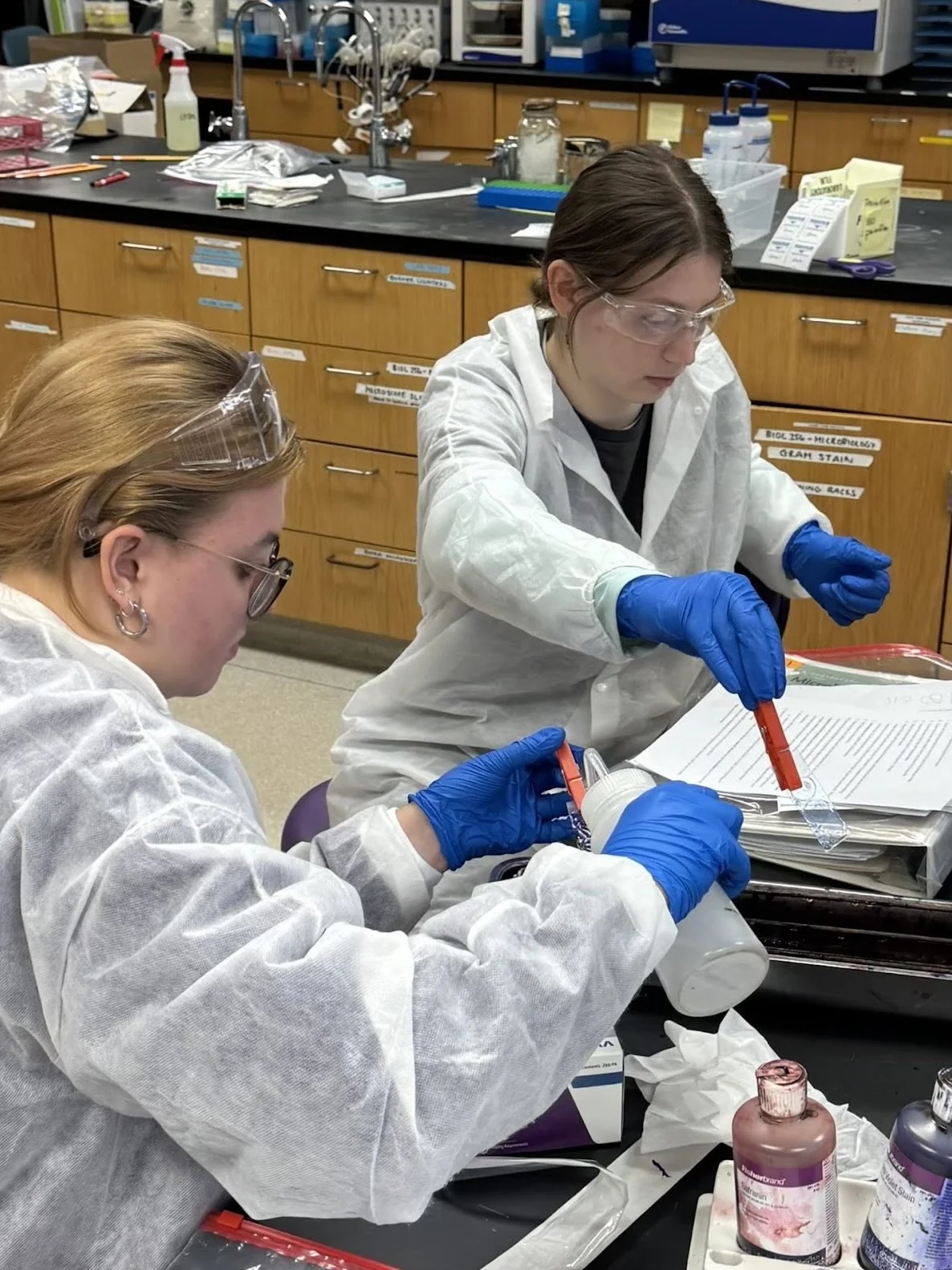
Once antibiotic-producing candidates are identified, we characterized them both phenotypically using Gram staining, biochemical/growth assays, and antibiotic sensitivity testing. We then amplified the 16S rRNA gene via PCR, verified the product through gel electrophoresis, and sequenced the DNA for BLAST database identification. Finally, all experimental data and findings are logged into the Tiny Earth Discovery and Public Databases to contribute to global, crowd-sourced antibiotic discovery.
Photo Gallery